Trusted Real Estates Serving Durham, NC Homebuyers
Map of Businesses in Durham
All Listings in Durham
12 businesses
Live Love Durham LLC DBA Alston Real Estate Group
Real estate agent
Right Time Realty
Real estate agency
Tamar Beridze, Realtor
Real estate agency
Tammie Terelle Real-Estate eXp
Real estate agency
The Perry Group at Keller Williams Elite Realty-Matt Perry
Real estate agency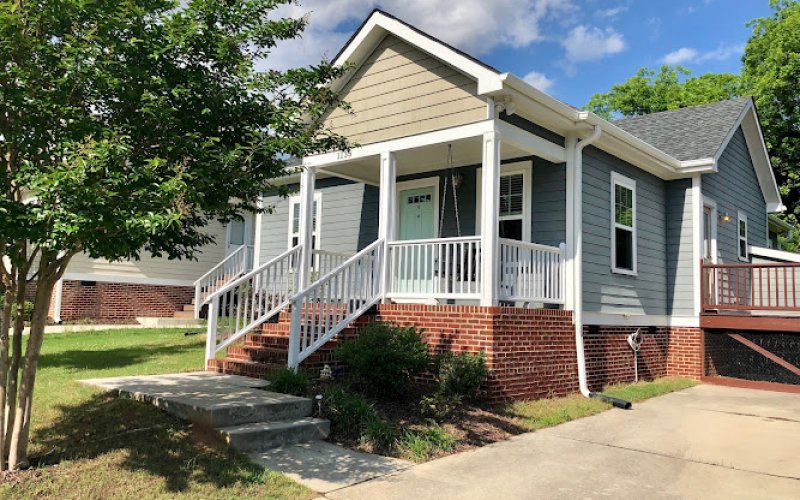
Borden Real Estate, LLC.
Real estate consultant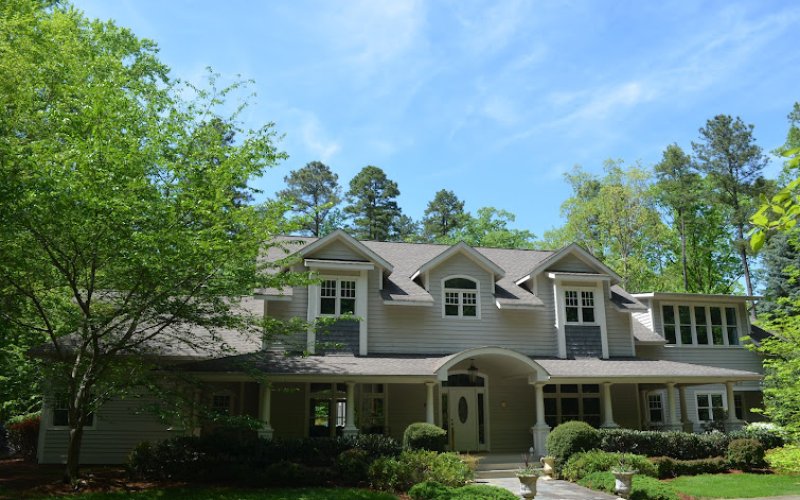
Keller Williams Elite Realty: Masha Halpern, Broker
Real estate agency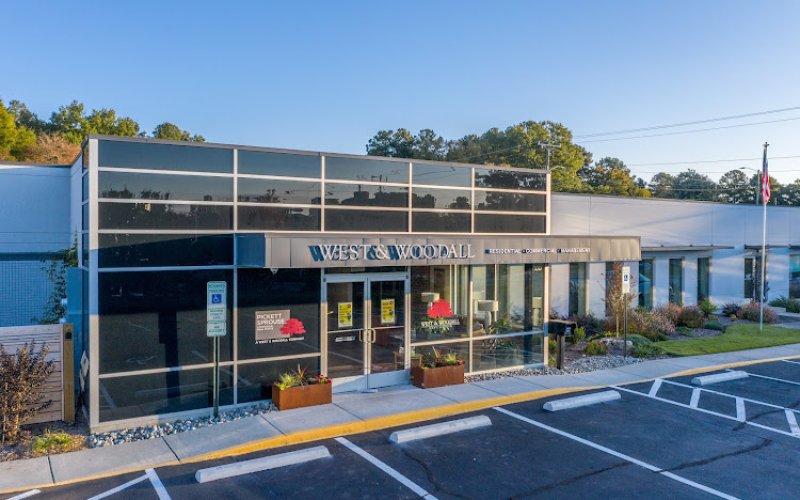
West & Woodall Real Estate
Real estate agency
Urban Durham Realty
Real estate agency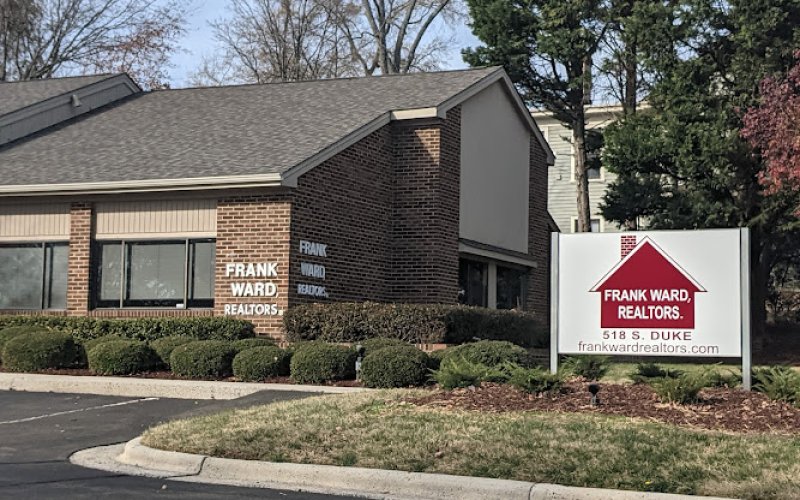
Frank Ward, REALTORS® Durham County, North Carolina since 1964
Real estate agency
Nest Realty - Main Street
Real estate agency
Keller Williams Elite Realty
Real estate agencyAbout Real Estates in Durham
Durham's housing market just hit a median price of $387,500 in late 2024—that's a 18% jump from 2023 and nearly double what homes cost here five years ago. But here's what's really telling: inventory sits at just 2.1 months of supply, meaning if no new homes hit the market, everything would sell in about 10 weeks. The Triangle's tech boom isn't slowing down. Duke Energy, IBM, and a parade of biotech startups keep pulling in new residents—Durham added 3,200 new households last year alone. And those newcomers? They're not looking for starter homes. Average household income in Durham proper is now $67,800, but in neighborhoods like Hope Valley and Forest Hills, you're seeing buyers with $120K+ budgets becoming the norm. The Research Triangle Park expansion means more high-paying jobs within a 20-minute commute of downtown Durham. What sets Durham apart from Raleigh or Chapel Hill is the mix. You've got everything from $180K condos near NC Central to $850K renovated Craftsmans in Trinity Park. Plus—and this matters—Durham's got actual character. Historic districts with walkable streets. Art galleries next to barbecue joints. That authenticity draws buyers who want more than just another suburban subdivision. The downside? Competition is fierce, and anything priced right gets multiple offers within days.
Downtown & Central Durham
- Area Profile: Young professionals, empty nesters, median age 34, household income $58K-$95K
- Real Estates Activity: Condos and lofts dominate, new construction selling fast, historic renovations popular
- Price Range: $225K-$475K for condos, $350K-$650K for single-family homes
- Local Note: American Tobacco Campus proximity drives demand—walkable to restaurants, entertainment
Hope Valley
- Area Profile: Established families, professionals, median income $89K, excellent schools nearby
- Real Estates Activity: Traditional homes, some new construction, strong resale market
- Price Range: $425K-$750K typical, some luxury properties pushing $900K+
- Local Note: Golf course community feel but still 15 minutes to Duke—best of both worlds
Trinity Park & Trinity Heights
- Area Profile: Mix of Duke faculty, young families, creative professionals, very walkable
- Real Estates Activity: Historic homes, major renovation projects, bidding wars common
- Price Range: $385K-$675K for renovated homes, fixer-uppers start around $275K
- Local Note: Nine Mile Magazine territory—hipster cred meets actual community investment
Southpoint & Woodcroft
- Area Profile: Suburban families, newer residents, household income $75K-$110K
- Real Estates Activity: New subdivisions, townhomes, move-in ready properties
- Price Range: $320K-$525K for most homes, luxury developments up to $700K
- Local Note: Shopping and chain restaurants galore—convenient but less Durham character
📊 **Current Price Points:**
- Budget options: $180K-$275K (older condos, fixer-uppers in emerging areas)
- Mid-range: $325K-$475K (most popular segment, move-in ready homes)
- Premium: $550K+ (renovated historic, new construction, luxury communities)
The market's up 23% year-over-year, but here's the nuance—luxury homes ($600K+) are sitting longer while everything under $450K still gets multiple offers. Days on market dropped to just 28 days average, down from 45 days in 2023. 📈 **Market Trends:** Demand is still outpacing supply by roughly 3:1. New listings hit the market and get offers within the first weekend—I've seen homes in Trinity Park get 8 offers in 72 hours. Cash buyers make up 31% of purchases now, up from 22% last year. But here's what's interesting: mortgage rates at 6.8% are starting to thin out some competition. Not enough to call it a buyer's market, but enough that you might actually get to see a house before it's under contract. Seasonal patterns show spring (March-May) and early fall (September-October) as peak selling times. Winter months see about 35% fewer listings but also 40% fewer buyers, so the ratio stays competitive. 💰 **What People Are Spending:**
- First-time buyers: $285K-$375K (42% of market)
- Move-up buyers: $425K-$625K (35% of market)
- Luxury/investment: $650K+ (23% of market)
Average time from offer to closing is 35 days for conventional loans, 21 days for cash deals.
**Economic Indicators:** Durham's population grew 2.8% last year—that's 8,400 new residents who all need somewhere to live. The Research Triangle continues adding jobs faster than housing units. Major employers like Duke University (39,000 employees), Duke Energy (5,200 local jobs), and the growing biotech corridor mean steady, high-paying employment. Median household income hit $67,800, which is 12% above the NC average. New development projects include the downtown Durham Innovation District and continued expansion around NC Central. The Durham-Orange Light Rail project (whenever it actually happens) will boost property values along the corridor. **Local Market Dynamics:** What drives demand here isn't just jobs—it's lifestyle. Durham offers something Raleigh doesn't: authenticity without pretension. You can walk to James Joyce Irish Pub for a pint, catch a Bulls game, then grab tacos at a food truck. That matters to buyers, especially younger professionals who could live anywhere in the Triangle. Competition landscape includes about 850 active real estate agents in Durham County. The big players—Keller Williams, RE/MAX, local boutique firms—all report inventory shortages as their biggest challenge. **How This Affects Buyers/Customers:** Look, here's what the data really shows: if you're buying in Durham right now, you need to be ready to move fast and pay close to asking price. The average successful offer is 98.5% of list price, and 67% of homes sell at or above asking. Pre-approval isn't just recommended—it's mandatory if you want to be taken seriously.
**Durham Seasonal Patterns:**
- ☀️ Spring/Summer: Peak season, 45% more listings but also maximum competition
- 🍂 Fall: Still active through October, good selection before winter slowdown
- ❄️ Winter: 35% fewer listings but also fewer buyers—your best negotiating window
- 📅 Peak months: April-June for selection, November-February for potential deals
**Timing Tips for Durham:** March through May brings the most inventory, but also the most competition. If you can stomach fewer choices, November through February offers your best shot at negotiating. Sellers who list in winter are usually motivated—job transfer, divorce, financial pressure. Local events matter too. Duke graduation in May floods the rental market but can create buying opportunities as investors cash out. Back-to-school season in August sees families trying to close before the school year. **Smart Timing Tips:**
- ✓ Get pre-approved in January, start looking in February for spring advantage
- ✓ Avoid house hunting during ACC Tournament week—everyone's distracted
- ✓ Winter listings often mean motivated sellers willing to negotiate
- ✓ End of quarter (March, June, September, December) can bring agent motivation for deals
**Credentials to Verify:** North Carolina requires real estate agents to hold an active license through the NC Real Estate Commission. You can verify any agent's license status at ncrec.gov—takes 30 seconds and shows any disciplinary actions. Look for agents who've been licensed at least 3 years and actually live or work primarily in Durham, not someone covering the entire Triangle from Raleigh. Membership in the Triangle MLS and local realtor associations matters. The Durham Association of Realtors maintains higher standards than just having a state license. **Questions to Ask:** How many Durham transactions did you close last year? Can you provide references from buyers in my price range? What's your average days on market compared to area average? Do you have relationships with local lenders, inspectors, contractors? ⚠️ **Red Flags Specific to Durham Real Estates:**
- Agents who push you toward specific lenders without explaining why
- Promises to "get you any house you want"—good agents know this market's competitive
- Pressure to waive inspections or other contingencies without explaining risks
- Agents who don't know neighborhood specifics (school districts, flood zones, noise issues)
**Where to Check Complaints:** NC Real Estate Commission handles licensing violations. Better Business Bureau covers general business practices. But honestly? Google and Zillow reviews tell you more about how agents actually work with clients day-to-day.
✓ Minimum 2 years Durham experience, not just Triangle-wide
✓ Recent sales data they can show you (not just talk about)
✓ Clear fee structure with no surprise charges
✓ Response time under 2 hours during business days
✓ Knowledge of local inspection issues, flood zones, neighborhood quirks
Cost Calculator
Check Reviews & Ratings
We recommend verifying businesses through trusted review platforms before making a decision.
Frequently Asked Questions
Popular Categories in Durham
Explore Other Cities
🏠 Real Estate Agents near Durham
Professional Categories in Durham, NC
Related Services from Similar Professionals