Raleigh's Go-To Real Estates for Every Need
Welcome to your go-to spot for everything Raleigh real estate – whether you're hunting for your first home, looking to upgrade, or just curious about what's happening in the Triangle market. We've got all the local listings, neighborhood insights, and resources to help you navigate Raleigh's awesome housing scene.
Map of Businesses in Raleigh
All Listings in Raleigh
10 businesses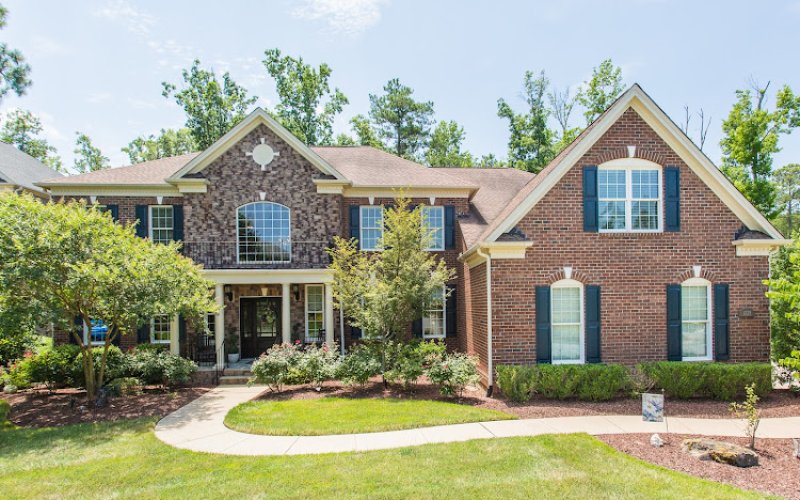
A Cole Realty
Real estate agencyReal estate company serving home buyers and sellers in the Triangle and coastal North Carolina.
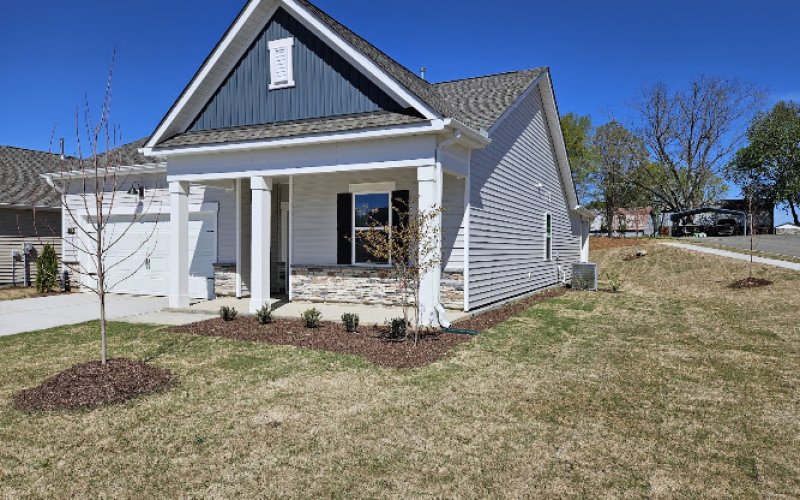
Navigate Realty Raleigh
Real estate agencyReal estate agency providing buyer and seller representation for residential and commercial properties.
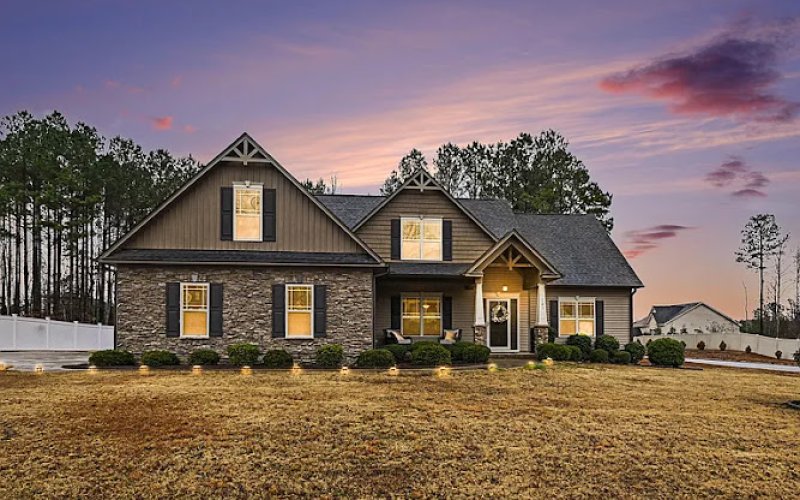
Raleigh Realty
Real estate agencyReal estate firm offering services for buyers and sellers of residential property, as well as commercial and investment properties.
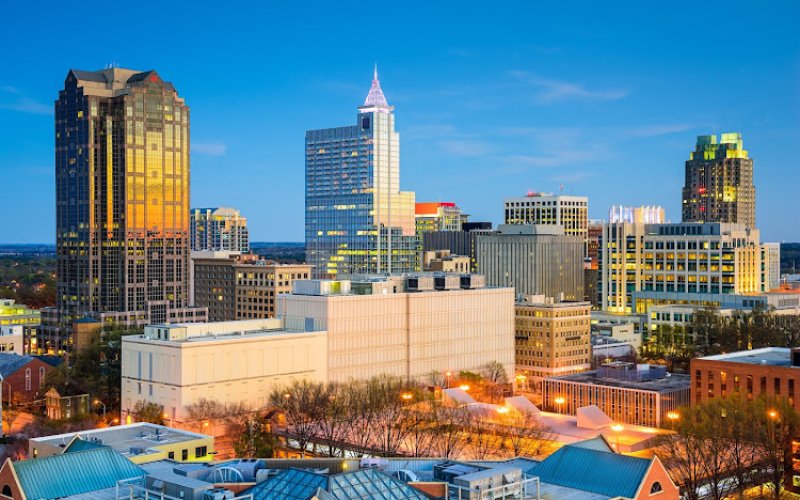
REALTY RALEIGH
Real estate agency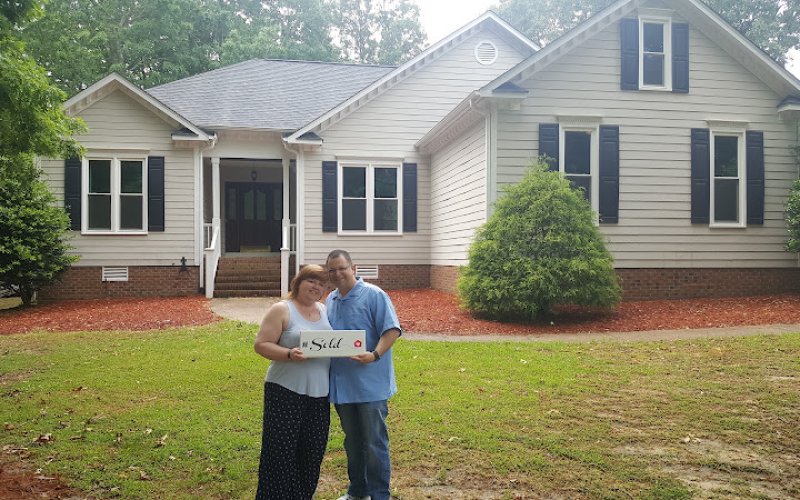
Renee Hillman, Real Estate Broker - Hillman Real Estate Group at eXp Realty
Real estate agency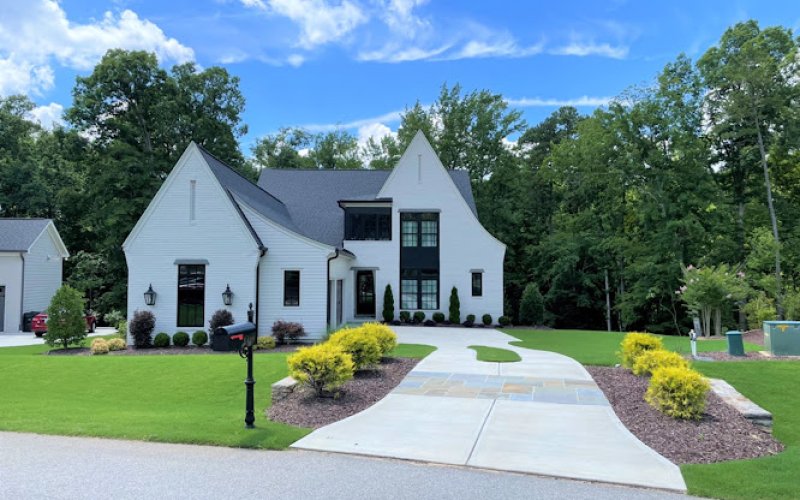
Costello Real Estate & Investments
Real estate agencyIndependent real estate brokerage offering hands-on training and cutting-edge tools to its agents.
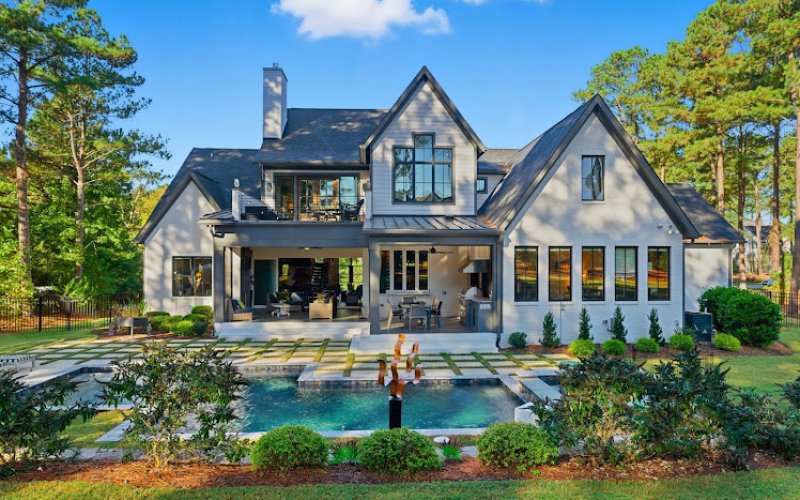
Marti Hampton Real Estate
Real estate agencyLong-standing real estate agency focusing on marketing homes and offering buyers and sellers support.
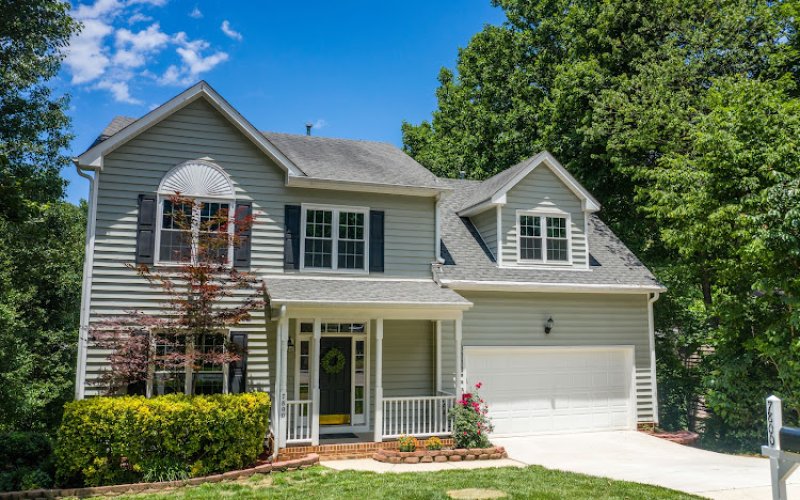
Rich Realty Group - Raleigh Real Estate Agents
Real estate agencyBoutique real estate firm providing services to buyers, sellers, and builders.
Mark Spain Real Estate
Real estate agent
Relevate Real Estate, Inc.
Real estate agencyAbout Real Estates in Raleigh
Here's a number that stopped me mid-coffee at Sit & Wonder last week: Wake County added roughly 60 new residents a day in 2024. Not a typo. That's the kind of population math that's reshaped this market since I started covering it back in the early 2010s, when a $250K house in North Hills felt like a splurge. Now that same money barely gets you a townhome past the beltline.
The Raleigh real estate market right now is doing this weird split-personality thing — inventory's up 18% year-over-year according to Triangle MLS data, but prices haven't really cracked the way some buyers hoped. Median sale price sits around $412,000 across the metro, up about 4.2% from last year. That's cooler than the pandemic-era insanity (remember 2021, when houses in Wake Forest sold in under 48 hours with nine offers?), but it's nowhere near a buyer's market either. There are somewhere north of 9,000 licensed agents operating in the greater Raleigh-Durham area, plus dozens of brokerages ranging from the big national names to scrappy independent shops that know one zip code better than anyone else alive.
Who's buying? Honestly, it's a mix that keeps things interesting. You've got Research Triangle Park tech transplants with Bay Area money, retirees cashing out of the Northeast, and a growing chunk of first-generation local buyers — people who grew up in Raleigh, watched their hometown explode, and are now trying to buy back into it. What makes this market different from, say, Charlotte or Nashville is the university-research economic base. It's stickier. People move here for NC State, Duke, or a research job and they stay. That's not speculative money. That's roots.
North Hills / Midtown
- Area Profile: Higher-income professionals, empty nesters, and younger executives drawn to the walkable retail scene around North Hills mall.
- Real Estates Activity: Condos and luxury townhomes move fast here — buyers want lock-and-leave convenience near restaurants and offices.
- Price Range: $475,000–$1.1M depending on building and floor.
- Local Note: This area barely existed as a "neighborhood" 15 years ago. Old-timers still call it "the mall area." Newcomers call it home base.
Downtown Raleigh / Glenwood South
- Area Profile: Young professionals, some investors buying rental units, a nightlife-adjacent crowd.
- Real Estates Activity: High-rise condos and loft conversions dominate. Inventory is tight — maybe 40 active listings at any given time.
- Price Range: $325,000 for a one-bedroom to $850,000+ for penthouse units.
- Local Note: Parking is its own negotiation point down here. Ask about it before you fall for the view.
Hillsborough Street / NC State Area
- Area Profile: Student renters, faculty, and investor-landlords who've owned property for decades.
- Real Estates Activity: Multi-family and duplex sales are hot — cap rates still pencil out for rental investors, which isn't true everywhere in Raleigh anymore.
- Price Range: $290,000–$550,000 for small multi-family properties.
- Local Note: Zoning fights here are constant. Check current land-use rules before assuming you can add units.
Wake Forest
- Area Profile: Families, commuters, a lot of newer construction subdivisions.
- Real Estates Activity: New builds still outsell resale in a lot of pockets — builders like Mattamy and Lennar keep pumping out inventory.
- Price Range: $380,000–$620,000 for single-family homes.
- Local Note: Traffic on Capital Boulevard during commute hours is the honest answer to "why is this 15 minutes from downtown taking 40."
📊 Current Price Points:
- Budget options: $220,000–$320,000 (older ranch homes, condos further from the core)
- Mid-range: $380,000–$550,000 (the most popular segment, three-bed suburban homes)
- Premium: $700,000+ (custom builds, North Hills luxury, lakefront in Wake Forest)
📈 Market Trends: Demand is up modestly — about 6% more showings booked in early 2025 compared to the same period last year, per local MLS activity reports. Inventory has loosened, sitting at roughly 2.8 months of supply (still technically a seller's market, but the gap is narrowing). Pricing is flattening rather than falling. Average days on market has stretched to 34, up from 19 in 2022 — buyers have a bit more breathing room to think before offering. 💰 What People Are Spending:
- Single-family suburban homes — average $445,000
- Townhomes near downtown or North Hills — average $410,000
- Investment duplexes/multi-family — average $480,000
- Luxury/custom builds — average $825,000
- Wake County population growing roughly 2.1% annually — one of the fastest rates among large U.S. counties
- Major employers: Epic Games, Red Hat/IBM, WakeMed, NC State, and a wave of biotech firms in RTP
- New development: the Downtown South project near the PNC Arena, plus continued build-out in Wake Forest and Fuquay-Varina
- Median household income around $79,000, compared to the state average near $61,000
Demand here isn't speculative — it's job-driven. Companies keep relocating regional offices to RTP, and that pulls buyers with real paychecks, not just investors chasing appreciation. Competition among agencies is fierce; a handful of large regional brokerages dominate volume, but boutique firms win on hyper-local knowledge (the kind of agent who knows which Cary street floods every August). How This Affects Buyers/Customers: Practically, this means bidding wars are less brutal than 2021 but not gone. I've seen buyers in Wake Forest lose three houses before landing one, simply because inventory in the $400K range still moves fast. Sellers, meanwhile, need realistic pricing — overpricing by even 5% now gets punished with weeks of silence.
- ☀️ Spring/Summer: Peak demand, most listings, most competition — March through June is chaos season
- 🍂 Fall: Demand cools slightly, sellers get more flexible, decent window for negotiating
- ❄️ Winter: Slowest months, but serious buyers can find serious deals — December closings often come with concessions
- 📅 Peak months: April–May for buying speed; October–November for leverage
January through February tends to bring the lowest inventory but also the least competition — counterintuitive, but true. Tax season (March-April) brings a wave of first-time buyers once refunds hit. Expect the full process, offer to closing, to take 30–45 days on average. Smart Timing Tips:
- ✓ List in early spring if you want max exposure
- ✓ Buy in November/December if you want negotiating room
- ✓ Avoid closing during peak moving season (late May–August) if you can — movers and inspectors get booked solid
- ✓ Watch NC State's academic calendar if you're buying near campus — it shifts rental-driven demand
Every agent should be licensed through the North Carolina Real Estate Commission (NCREC) — you can look up license status and any disciplinary history directly on their site. Membership in the Raleigh Regional Association of Realtors is a good secondary signal. Check Zillow and Google reviews, but also ask for three local references, not just testimonials on their website. Questions to Ask: How long have they worked specifically in Raleigh (not just "the Triangle" broadly)? Can they name recent closings in your target neighborhood? Are their fees and commission structure spelled out in writing before you sign anything? ⚠️ Red Flags Specific to Raleigh Real Estates:
- Cash-offer companies targeting Southeast Raleigh homeowners with lowball, high-pressure pitches
- Agents who won't disclose dual-agency relationships upfront
- "Guaranteed sale" promises that ignore current days-on-market data
- New-build sales reps steering you away from independent inspections
NCREC's public complaint database, the Better Business Bureau of Eastern NC, and Google reviews — look for patterns, not one-off rants.
✓ Established presence in Raleigh (not just passing through)
✓ Verifiable local reviews and references
✓ Transparent pricing, no hidden fees
✓ Clear process explained upfront
✓ Responsive communication
Check Reviews & Ratings
We recommend verifying businesses through trusted review platforms before making a decision.
Frequently Asked Questions
Popular Categories in Raleigh
Explore Other Cities
🏠 Real Estate Agents near Raleigh
Professional Categories in Raleigh, NC
Related Services from Similar Professionals