Santa Maria, CA's Trusted Real Estate Professionals
Map of Businesses in Santa Maria
All Listings in Santa Maria
13 businesses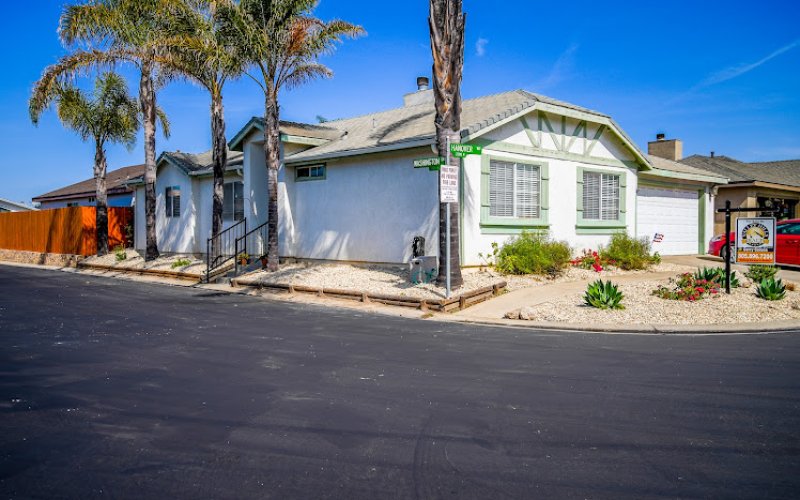
Gerry Corona Homes
Real estate agent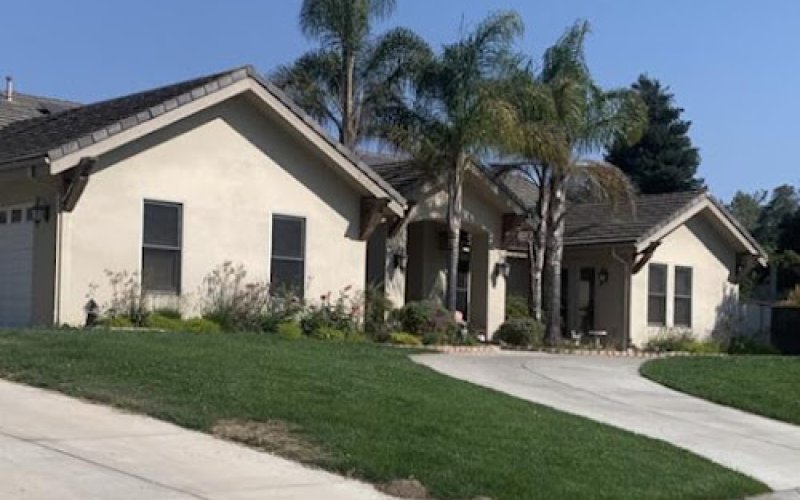
Marcus Zuzow with Valley Hills Realty | Realtor in Santa Maria and Orcutt
Real estate agency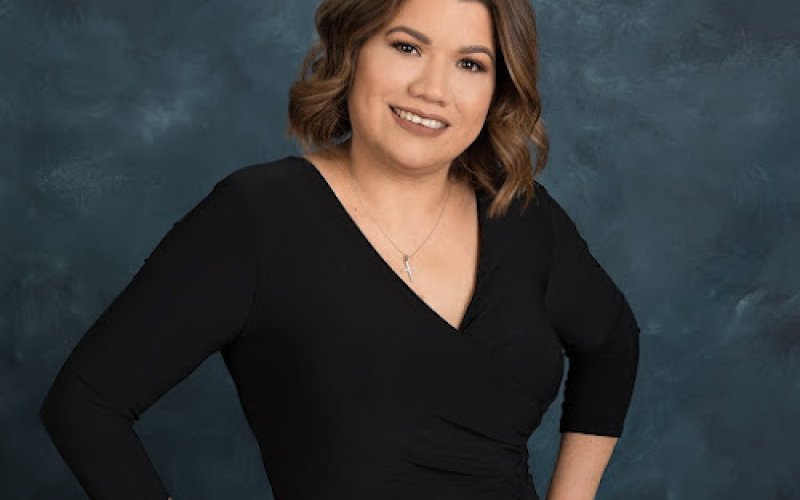
Margarita (Margie) Oregon, Real Estate Agent Santa Maria, San Luis Obispo
Real estate agent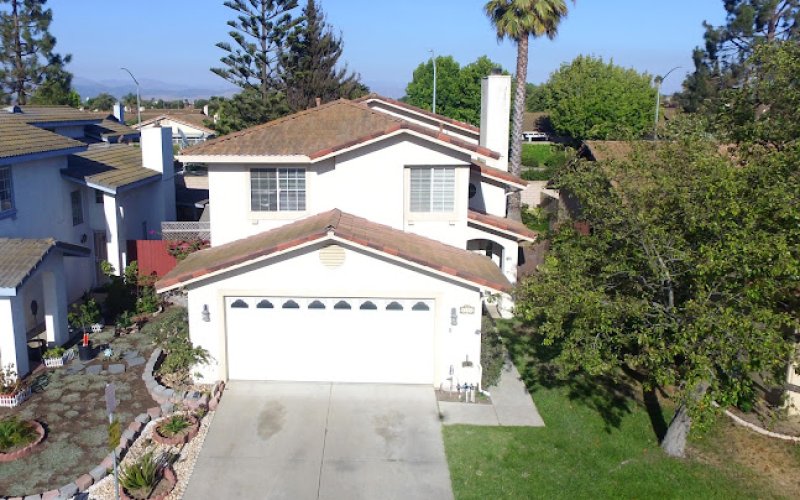
Maria Cieri at Better Homes & Gardens Real Estate Haven Properties
Real estate agent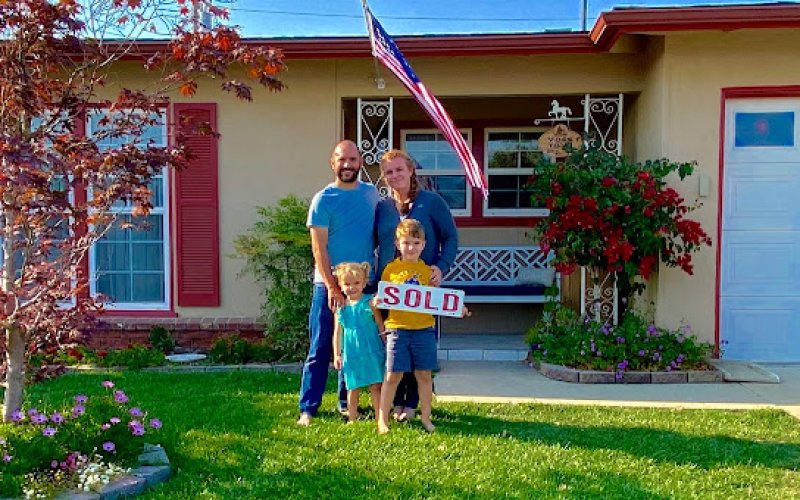
Pacific Realty
Real estate agency
P B & Associates
Real estate agency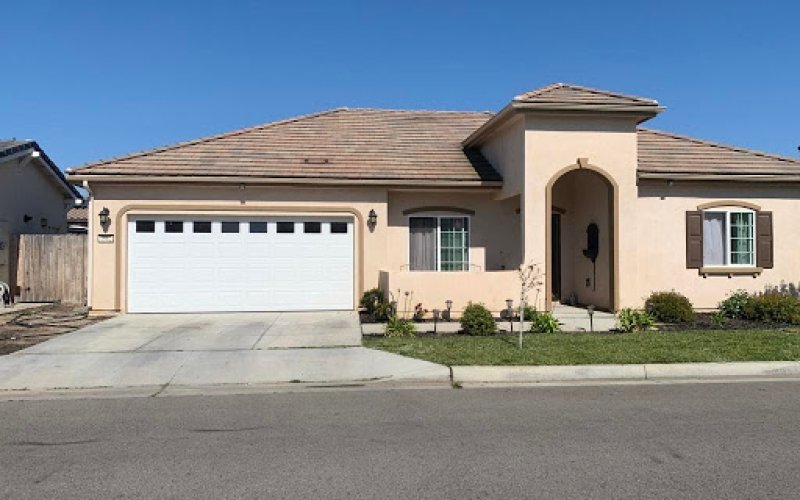
Tom Brown Real Estate
Real estate agency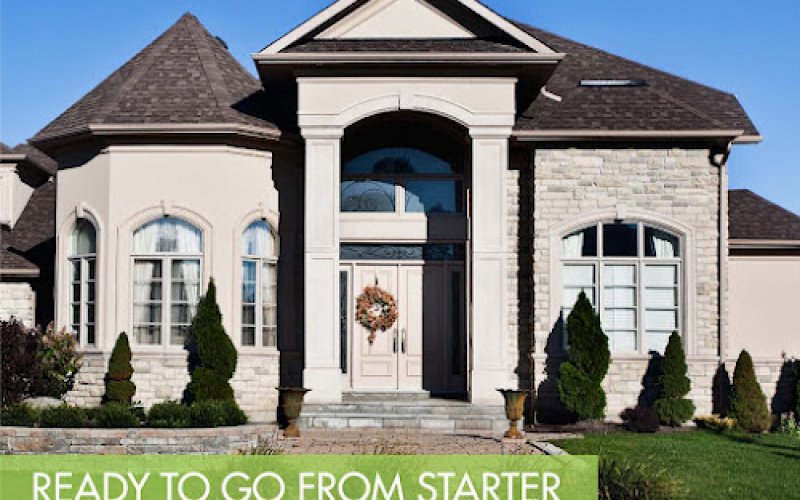
New America Realty
Real estate agency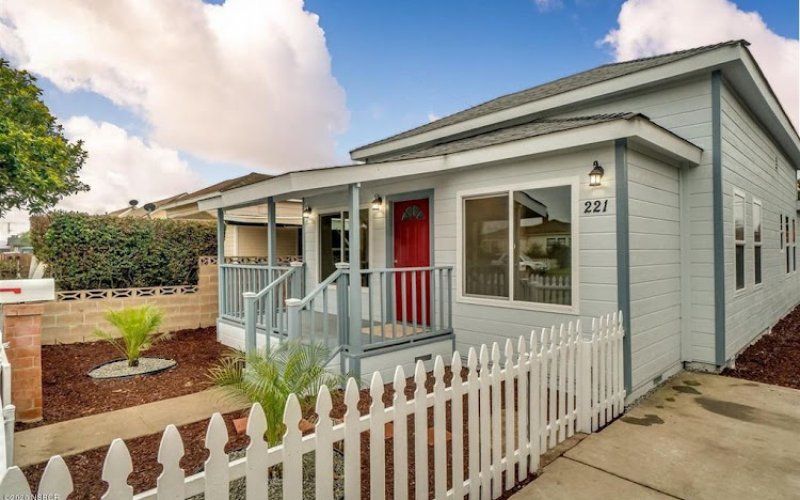
Premier Real Estate Group
Real estate consultant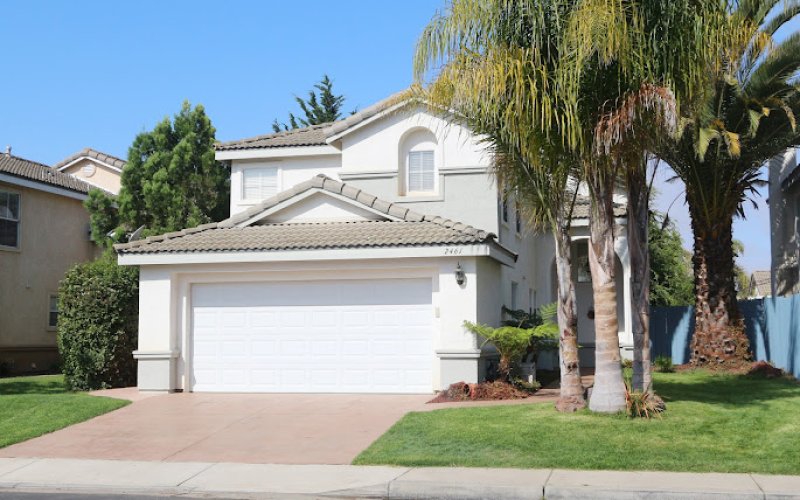
Tni LeBlanc, REALTOR , JD in Santa Maria CA
Real estate agent
Kristyn Cram Realtor
Real estate agency
Help-U-Sell Santa Maria
Real estate agency
CHAMPION Real Estate
Real estate agencyAbout Real Estates in Santa Maria
Here's something that'll grab your attention—Santa Maria's median home price hit $687,500 in Q4 2024, up 12.3% from last year while inventory dropped to just 2.1 months of supply. That's creating a pressure cooker market where properties move in an average of 18 days. The Central Coast location drives serious demand. You've got tech workers from Silicon Valley buying second homes, agricultural professionals who need land, and military families from Vandenberg Space Force Base looking for permanent roots. Plus, Santa Maria's population grew 3.2% last year to 109,800 residents—faster than the state average of 0.8%. The wine industry boom brought high-earning transplants who can outbid locals on everything from starter condos to vineyard properties. What makes Santa Maria different? It's not just another California bedroom community. The agricultural backbone means you'll find everything from $450K condos near the mall to $2.8M vineyard estates in the Santa Maria Valley AVA. And unlike coastal markets where foreign investment dominates, about 78% of buyers here are owner-occupants. That creates more stable, less speculative pricing—though "stable" is relative when you're looking at double-digit appreciation.
Orcutt
- Area Profile: Suburban families, median income $89K, newer developments mixed with 1980s ranch homes
- Real Estates Activity: Hot market for 3-4 bedroom homes $650K-$850K, popular with Vandenberg families and commuters
- Price Range: Entry condos start $475K, single-family homes $625K-$950K, luxury estates $1M+
- Local Note: Orcutt's own zip code (93455) commands premium—buyers pay 8-12% more than equivalent Santa Maria properties
Old Town Santa Maria
- Area Profile: Historic core, mix of young professionals and longtime residents, walkable downtown revival
- Real Estates Activity: Victorian fixer-uppers, converted lofts, new condos near the rail district
- Price Range: Historic homes needing work $425K-$575K, renovated Victorians $650K-$850K
- Local Note: Gentrification accelerating—properties near Main Street jumped 23% last year as restaurants and breweries moved in
Santa Maria Valley Wine Country
- Area Profile: High-net-worth buyers, wine industry professionals, gentleman farmers
- Real Estates Activity: Vineyard properties, custom estates, agricultural land with development potential
- Price Range: Raw vineyard land $45K-$85K per acre, estate homes $1.2M-$4.5M
- Local Note: Pinot Noir reputation drives demand—properties with established vines sell 35% faster than raw land
📊 **Current Price Points:**
- Budget options: $400K-$525K (condos, townhomes, fixer-uppers in older areas)
- Mid-range: $550K-$750K (most popular segment, 3BR homes in established neighborhoods)
- Premium: $800K+ (new construction, wine country properties, luxury communities)
📈 **Market Trends:** Demand's up 18% year-over-year, but here's the twist—it's not evenly distributed. Properties under $600K get multiple offers within days. Above $900K? They sit for 45+ days because financing got brutal with 7.2% mortgage rates. Inventory's still historically low at 847 active listings (normal is 1,200+), but new construction permits jumped 34% as builders try to catch up. Spring typically brings the rush, but 2024 stayed hot through November. Average days on market dropped from 28 days in 2023 to 18 days now. Cash buyers represent 31% of sales—higher than the state average of 24%. 💰 **What People Are Spending:**
- First-time buyers: $485K-$575K (condos, starter homes)
- Move-up families: $625K-$825K (larger homes, better schools)
- Luxury/vineyard properties: $950K-$2.5M (lifestyle buyers)
- Investment properties: $450K-$650K (rental income focus)
**Economic Indicators:** Population's climbing 3.2% annually—that's 3,500+ new residents needing housing each year. Major employers include Vandenberg Space Force Base (12,000 jobs), Dignity Health (4,800), and expanding wine operations. The new SpaceX facility brought 800 high-paying jobs, plus Amazon's distribution center added another 1,200 positions starting at $19/hour. Median household income hit $71,400—below the state average but with much lower housing costs than coastal areas. New residential projects include the 450-unit Crosswinds development and 280 homes planned for the old Casmalia Hills area. **Local Market Dynamics:** Here's what drives demand: Vandenberg families want to buy instead of renting base housing. Wine industry growth brings affluent transplants from Napa and Sonoma seeking "the next big thing." Plus, remote workers discovered they can get twice the house here for half the cost of San Luis Obispo or Santa Barbara. Competition's intense among the 47 active real estate offices. Coldwell Banker and RE/MAX dominate volume, but boutique firms specializing in vineyard properties are gaining ground. Recent disruption came from iBuying companies like Opendoor, though they've scaled back since interest rates spiked. **How This Affects Buyers/Customers:** You need pre-approval letters before viewing homes under $650K—sellers won't waste time otherwise. Above $800K, you have negotiating room but expect 30-45 day closes. Cash talks loudest, but VA loans get preference due to military presence.
**Santa Maria Seasonal Patterns:**
- ☀️ Spring/Summer: Peak season, 65% of annual sales, bidding wars common on desirable properties
- 🍂 Fall: Demand cools 20%, better selection, harvest season brings vineyard property activity
- ❄️ Winter: Slowest period, 15% fewer listings but motivated sellers, best negotiating window
- 📅 Peak months: April-June for family homes, September-October for wine country properties
**Timing Tips for Santa Maria:** January through March offers the best deals—sellers who listed in fall are motivated to close. May is brutal for buyers (multiple offers standard), but inventory peaks in June. Wine harvest season (September-October) is prime time for vineyard properties as buyers can see operations in action. Military PCS season (summer) floods the market with both buyers and sellers from Vandenberg. Tax refund season (February-April) brings first-time buyers with down payment money. **Smart Timing Tips:**
- ✓ Shop November-February for best prices, fewer competing buyers
- ✓ Get pre-approved in January before spring rush starts
- ✓ Avoid May-July unless you're prepared for bidding wars
- ✓ Wine country properties peak during harvest—tour then, buy after
**Credentials to Verify:** Every agent needs a California real estate license through the Department of Real Estate (DRE). Check license status at dre.ca.gov—active licenses show disciplinary history, if any. Look for Realtor® membership in the Santa Barbara County Association of Realtors, which requires additional ethics training. Certifications that matter locally: CRS (Certified Residential Specialist), ABR (Accredited Buyer's Representative), and for wine country deals, specialized agricultural property training. Military Relocation Professional (MRP) designation helps with Vandenberg transfers. **Questions to Ask:** How many Santa Maria transactions last year? (Good agents close 15-25 locally.) Can you provide three recent client references? What's your average days on market versus area average? Do you have relationships with local lenders who understand the market? ⚠️ **Red Flags Specific to Santa Maria Real Estates:**
- Agents who work primarily in SLO or Santa Barbara but claim Santa Maria expertise
- Pressure to waive inspections on properties built before 1980 (foundation issues common)
- Promises about wine country property investment returns without agricultural knowledge
- Dual agency situations where agent represents both buyer and seller in hot market
**Where to Check Complaints:** California DRE handles license violations and fraud complaints. Better Business Bureau tracks customer service issues. Google and Yelp reviews reveal communication problems, but focus on patterns—one angry client might be an outlier, but multiple similar complaints signal trouble.
✓ Minimum 3 years Santa Maria experience (market knowledge takes time to develop)
✓ Recent sales data showing consistent activity, not just one lucky year
✓ Clear commission structure explained upfront—standard is 2.5-3% buyer's side
✓ Responsive within 2 hours during business days, same day on weekends
✓ Local lender relationships that understand agricultural and military buyer needs
Cost Calculator
Check Reviews & Ratings
We recommend verifying businesses through trusted review platforms before making a decision.
Frequently Asked Questions
Popular Categories in Santa Maria
Explore Other Cities
🏠 Real Estate Agents near Santa Maria
Professional Categories in Santa Maria, CA
Related Services from Similar Professionals